
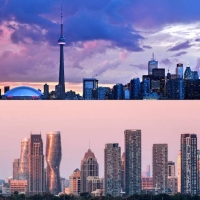
Picture two buyers with the same budget and the same shortlist of must-haves. One falls for a semi in the Junction, walking distance to the coffee shops on Dundas West. The other finds a townhouse in Clarkson, minutes from the lake and a short walk to the GO. Same number on the listing. Very different cost to actually own.
That gap is what nobody tells you when you start touring, and it is the real answer to the Toronto versus Mississauga question. There is no universal winner. There is only what you value and what you are willing to pay for it. Here is how the two markets actually compare in 2026, starting with the numbers that move the needle most.
The land transfer tax gap is the biggest one
This is the single largest financial difference between buying in Toronto and buying in Mississauga, and most buyers do not see it coming.
Toronto is the only municipality in Ontario that charges its own land transfer tax on top of the provincial one. For homes under $3 million, the Toronto municipal land transfer tax mirrors the provincial brackets almost exactly, which effectively doubles your bill.
On a $1,000,000 home, the math looks like this:
In Mississauga, you pay the Ontario land transfer tax only: $16,475.
In Toronto, you pay that same $16,475 to the province, plus another $16,475 to the city, for $32,950 total.
That is a $16,475 difference on the exact same purchase price, due in cash at closing. It is not financeable into your mortgage. For a buyer choosing between a Roncesvalles condo and a Port Credit one at the same price, that is real money that could go toward the down payment, the renovation, or simply keeping the deal alive.
I broke the full bracket structure down in my Mississauga land transfer tax guide, and you can run your own purchase price through the Ontario Land Transfer Tax Calculator.
Property tax: the surprise that runs the other way
Here is where the conventional wisdom flips. People assume Toronto taxes you to death on everything. On annual property tax, the opposite is true.
Toronto has the lowest residential property tax rate of any city in Ontario in 2026, at roughly 0.77 percent. Mississauga’s combined rate sits higher, closer to 0.83 to 0.85 percent. A deep commercial and industrial base lets both cities keep residential rates low, anchored downtown in Toronto’s case and around Pearson in Mississauga’s, but Toronto’s rate is lower.
The catch is that a lower rate applied to a higher home value can land you in roughly the same place. A more expensive Bloor West Village house taxed at 0.77 percent and a Lorne Park house taxed at 0.85 percent can produce surprisingly similar annual bills. So the property tax rate is a quiet point in Toronto’s favour, but it rarely decides anything, and it never makes up the land transfer tax gap you pay at the start.
What your money actually buys
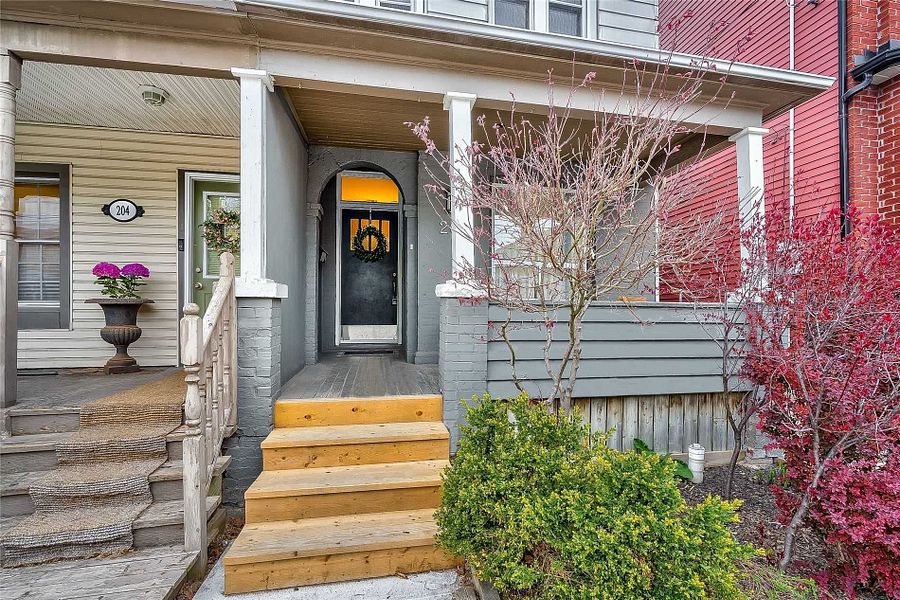
West Toronto: a home in the West End
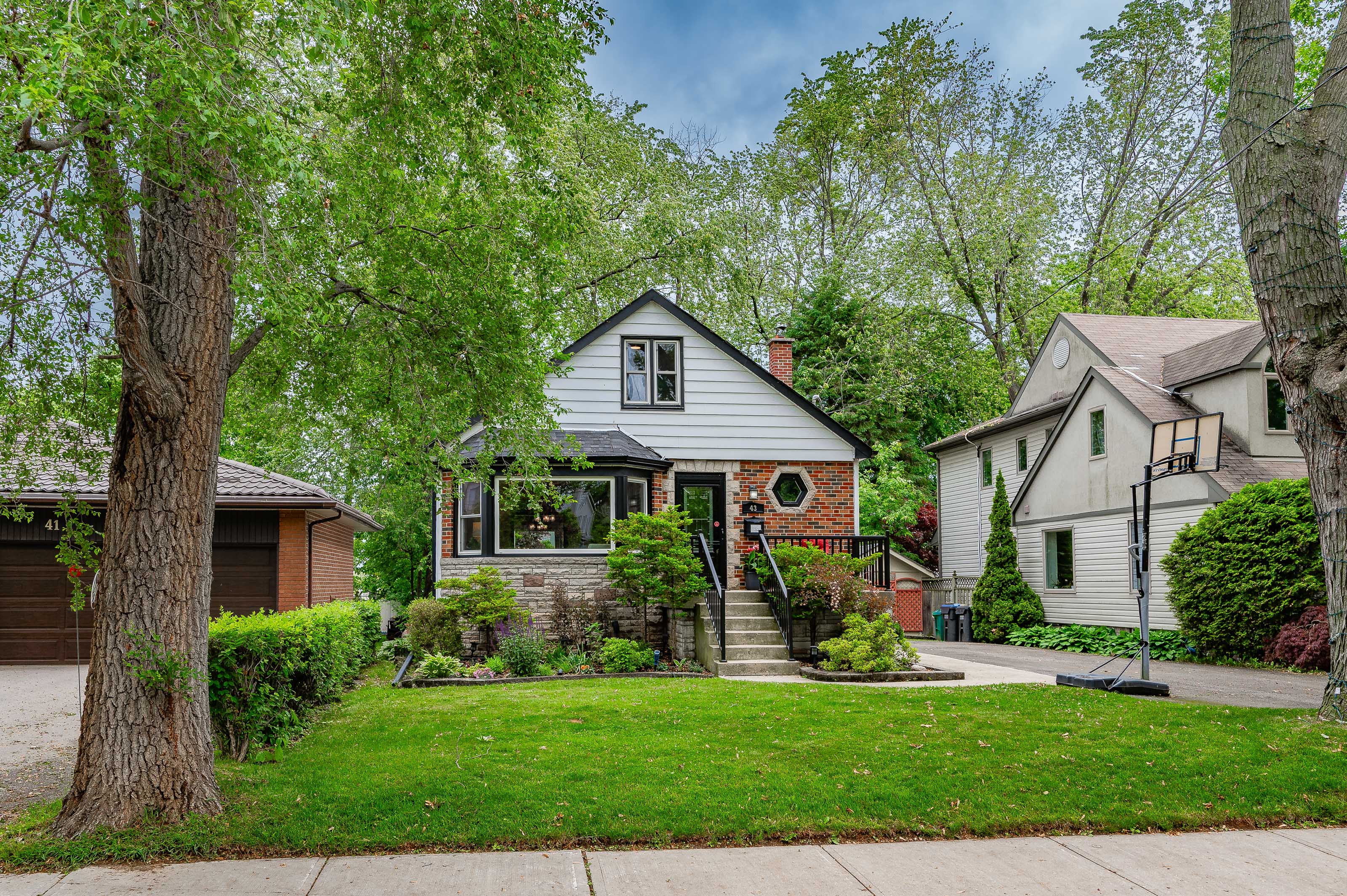
South Mississauga: a bungalow in Port Credit
Price per square foot is where lifestyle preference turns into a real trade-off.
In south Mississauga, neighbourhoods like Clarkson, Mineola, and Port Credit still give you more space for the dollar: detached homes with real yards, driveways, and the lake within reach. Lorne Park is the premium pocket, where mature lots and strong schools push prices up, but even there you are buying more land than the same budget gets you in the 416.
In west Toronto, you are paying for proximity and walkability. The Junction, Trinity Bellwoods, Roncesvalles, and High Park trade square footage for being able to leave the car at home. A narrow semi on a tight High Park lot can list at the same number as a fuller detached in Clarkson. Neither is wrong. They are answers to different questions.
Transit and the daily reality
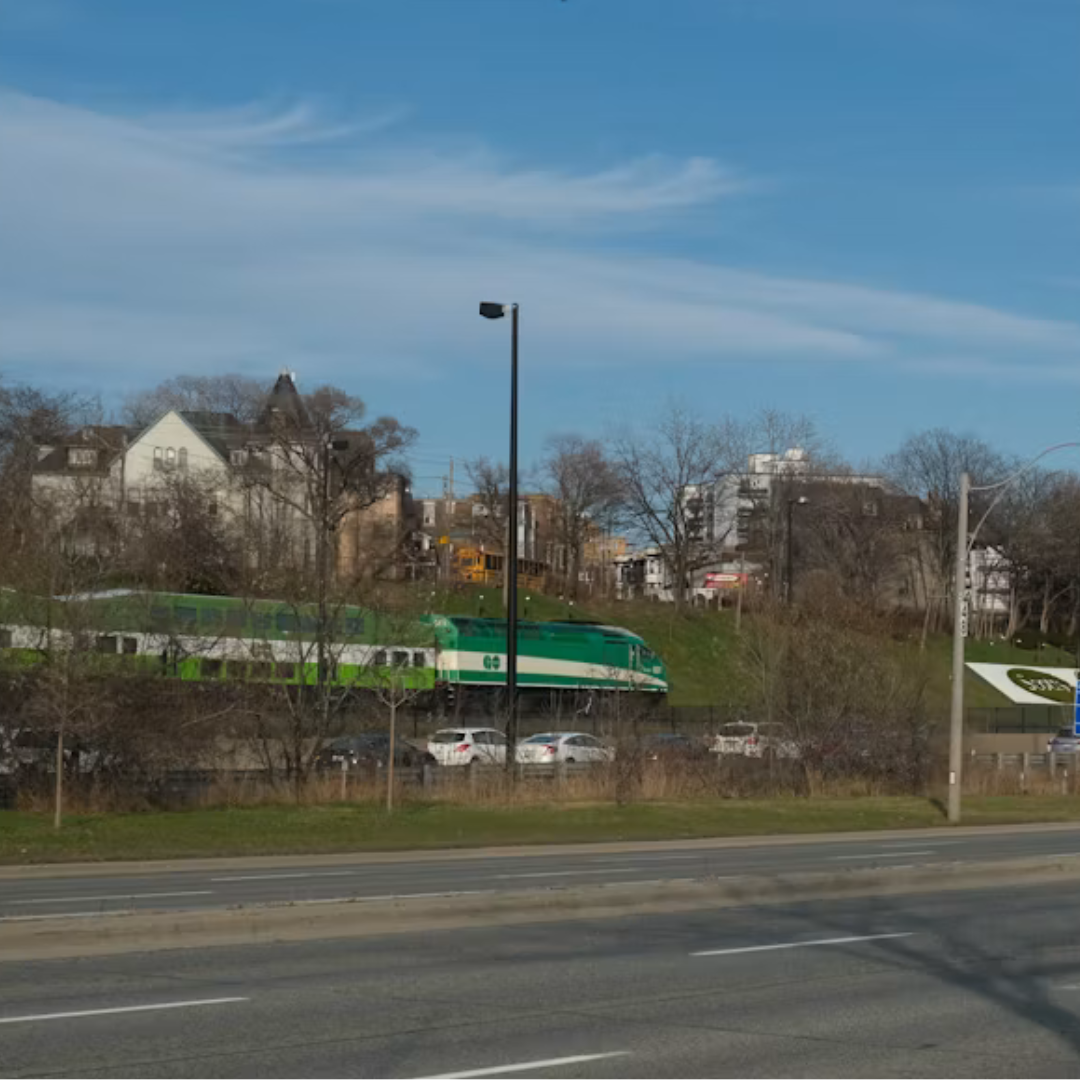
If your life points downtown, west Toronto wins on convenience. The subway, the streetcar network, and the walkable main streets through Roncesvalles and Bloor West Village mean a lot of households there go car-light.
Mississauga’s case is stronger than it used to be. The Lakeshore West GO line puts Port Credit and Clarkson commuters at Union in well under half an hour, often faster than a crosstown trip inside the city. The Hazel McCallion LRT along Hurontario is still under construction and now expected to wrap up around 2028, years past its original 2024 target, with passenger service later still. It is not something you can ride today, but it is a north-south spine worth watching as a longer-term value factor, especially for buyers near future stations.
So which is the better buy?
The honest verdict: Mississauga is the better buy if you want more home, more land, and a materially smaller cheque at closing, and you can build your routine around the GO train or a car. South Mississauga in particular gives you lakeside living and a land transfer tax that is half of Toronto’s.
West Toronto is the better buy if walkability, downtown access, and the pull of a Junction or Trinity Bellwoods street are worth paying a premium both up front and at the table. You will pay the double land transfer tax, but you are buying a way of living that Mississauga cannot fully replicate.
The mistake is comparing only the list prices. Once you add the land transfer tax, the full closing costs, and the annual carrying numbers, the two markets separate in ways the MLS listing never shows.
Let’s run your real numbers before you choose
Before you fall for a neighbourhood, it is worth seeing the full picture side by side: purchase tax, closing costs, and annual carrying costs for the specific homes you are weighing.
Book a 20-minute consultation and I will build you a true cost comparison for Toronto versus Mississauga on the exact price points you are considering, so the decision comes down to lifestyle and not a closing-day surprise.
Subscribe to get the next post the day it goes live.
General information only, current as of 2026. Not legal or tax advice. Confirm final figures with your real estate lawyer.
Sources
City of Toronto: Municipal Land Transfer Tax


Post a comment